Pigmentation on Forehead: Causes, Treatment, and Prevention – Skin Bliss Clinic
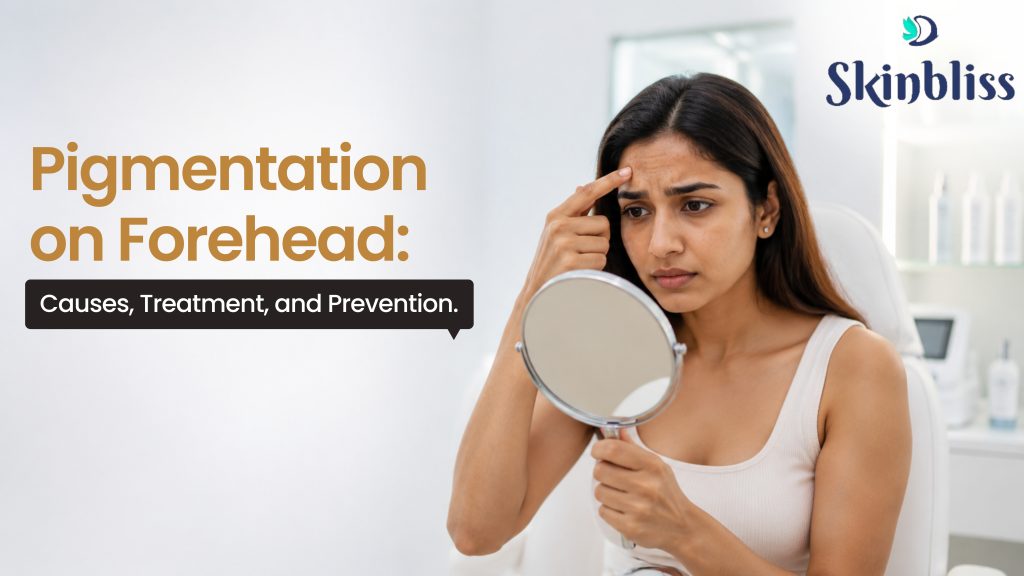
Have you noticed dark patches, uneven skin tone, or brown spots appearing on your forehead? Forehead pigmentation is a common skin concern that can affect people of all ages. While it is usually not harmful, pigmentation can make the skin look uneven and may affect your confidence.
Several factors, including sun exposure, hormonal changes, acne, skin irritation, and certain lifestyle habits, can contribute to pigmentation. Since different types of pigmentation require different approaches, understanding the underlying cause is an important first step toward achieving a more even skin tone.
With professional dermatological guidance and the right treatment plan, forehead pigmentation can often be significantly improved. At Skin Bliss Clinic, under the expertise of Dr. Deepali Marthineni, patients receive advanced, customized pigmentation treatment in Hyderabad designed to restore clarity and radiance.
What Is Pigmentation on the Forehead?
Pigmentation refers to changes in the natural colour of the skin caused by increased or uneven production of melanin, the pigment responsible for skin colour.
When excess melanin is produced in a particular area, the skin may develop:
- Brown or dark patches
- Uneven skin tone
- Small dark spots
- Diffuse discoloration
- Symmetrical patches across the forehead
Forehead pigmentation can occur on its own or along with pigmentation on the cheeks, nose, upper lip, or other areas of the face. The appearance and severity of pigmentation can vary depending on its underlying cause.
Types of Pigmentation on the Forehead
Not every dark patch on the forehead is the same. Some common types include:
1. Melasma: Melasma is a common pigmentation condition that often appears as symmetrical brown or greyish patches on the forehead, cheeks, nose, or upper lip. It can be associated with hormonal fluctuations, pregnancy, certain medications, and sun exposure.
2. Post-Inflammatory Hyperpigmentation: Post-inflammatory hyperpigmentation, or PIH, can develop after acne, rashes, allergic reactions, or skin injuries. Once the inflammation settles, the affected area may leave behind brown, reddish, or darker marks.
3. Sunspots: Repeated exposure to ultraviolet (UV) radiation can stimulate melanin production and contribute to flat brown spots and uneven skin tone. Since the forehead is frequently exposed to sunlight, it can be particularly vulnerable to sun-related pigmentation.
4. Freckles: Freckles are small, naturally occurring brown spots that are often influenced by genetics and become more noticeable with sun exposure. They commonly appear on areas such as the forehead, nose, and cheeks.
Identifying the type of pigmentation matters because melasma, PIH, sunspots, and freckles may respond differently to treatment.
Common Causes of Pigmentation on the Forehead
Several factors can contribute to forehead pigmentation. Some of the most common include:
1. Excessive Sun Exposure: UV exposure is one of the major triggers of pigmentation. Regular exposure without adequate sun protection can stimulate melanin production, resulting in tanning, dark spots, and uneven skin tone.
2. Hormonal Changes: Hormonal fluctuations can trigger or worsen pigmentation, particularly melasma. Pregnancy, PCOS, thyroid-related hormonal changes, and certain oral contraceptives may contribute to pigmentation in susceptible individuals.
3. Acne and Skin Inflammation: Acne, rashes, eczema, allergic reactions, and other inflammatory skin conditions can leave dark marks after healing. This is particularly common in individuals who experience frequent breakouts or irritation on the forehead.
4. Genetics: Some individuals are naturally more prone to freckles or pigmentation because of their genetic makeup. A family history of pigmentation concerns may increase susceptibility.
5. Aging: As the skin ages, changes in cell turnover and long-term sun exposure can contribute to uneven melanin distribution and the appearance of age-related pigmentation or sunspots.
6. Hair and Cosmetic Products: Certain hair dyes, oils, styling products, and cosmetics may irritate the skin around the forehead. Repeated irritation can sometimes contribute to post-inflammatory pigmentation.
7. Lifestyle Factors: Stress, inadequate sleep, and an inconsistent skincare routine can affect overall skin health. While they may not be the only cause of pigmentation, they can influence how well the skin recovers from environmental and inflammatory stress.
How Is Forehead Pigmentation Diagnosed?
Before starting any pigmentation treatment, it is important to determine what is causing the pigmentation.
A dermatologist may assess:
- The colour and pattern of pigmentation
- When the pigmentation first appeared
- Previous acne or skin inflammation
- Sun exposure
- Hormonal factors
- Current skincare products
- Medical history and medications
- Previous pigmentation treatments
In some cases, specialised examination methods may help a dermatologist understand the depth and pattern of pigmentation. An accurate diagnosis helps avoid unnecessary treatments and allows a more personalised approach.
Forehead Pigmentation Treatment in Hyderabad
The right treatment depends on the cause, severity, skin type, and depth of pigmentation. At Skin Bliss Clinic, treatment options may include a combination of professional skincare and advanced dermatological procedures.
1. Topical Treatments
Certain prescription or dermatologist-recommended creams may help reduce excess pigmentation and promote a more even complexion. Ingredients commonly used in pigmentation management include vitamin C, retinoids, azelaic acid, niacinamide, and other pigment-reducing agents. However, not every ingredient is suitable for every person. Using strong bleaching or exfoliating products without professional guidance can irritate the skin and potentially worsen pigmentation.
2. Chemical Peels
Chemical peels use carefully selected exfoliating agents to remove damaged superficial skin cells and encourage skin renewal. Depending on the pigmentation and skin type, a dermatologist may select an appropriate peel. Professional treatment is important because the strength and type of peel need to be carefully chosen, particularly for darker skin tones that may be more prone to post-inflammatory pigmentation.
3. Laser and Light-Based Treatments
Certain laser or light-based procedures may be considered for specific types of facial pigmentation. These treatments target excess pigment and can help improve the appearance of dark patches. However, laser treatment is not appropriate for every pigmentation condition. Incorrect treatment selection or settings can sometimes lead to increased pigmentation. Therefore, professional assessment should always come before laser-based pigmentation treatment.
4. Microneedling With PRP
Microneedling creates controlled micro-injuries in the skin, stimulating the natural healing process. When combined with Platelet-Rich Plasma (PRP), it may support skin rejuvenation and improve overall skin texture and appearance. This treatment may be considered as part of a customized plan for selected pigmentation concerns.
5. Combination Treatments
Pigmentation can have multiple contributing factors, so dermatologists may recommend a combination of treatments. For example, professional procedures may be combined with topical skincare and strict sun protection. A customised approach can provide more consistent results than relying on a single treatment for every type of pigmentation.
How to Prevent Forehead Pigmentation
Prevention plays an important role in maintaining the results of pigmentation treatment.
1. Use Sunscreen Every Day
Daily broad-spectrum sunscreen is one of the most important steps in preventing pigmentation from becoming darker. Apply sunscreen generously to the face and forehead and reapply when spending extended periods outdoors. Physical protection, such as hats and umbrellas can also provide additional protection.
2. Avoid Excessive Sun Exposure
Try to limit prolonged exposure to direct sunlight, especially during peak UV hours. Seeking shade and wearing protective clothing can complement sunscreen use.
3. Follow a Gentle Skincare Routine
Avoid excessive scrubbing or frequently using multiple strong active ingredients. Choose gentle cleansers and moisturisers that support the skin barrier.
4. Do Not Pick or Scratch the Skin
Picking acne, scratching irritated areas, or attempting to remove pigmentation aggressively can increase inflammation and potentially leave darker marks.
5. Treat Acne and Skin Inflammation Early
If acne or another inflammatory skin condition is contributing to pigmentation, addressing the underlying problem can help reduce the formation of new dark marks.
When Should You See a Dermatologist?
If forehead pigmentation is persistent, spreading, recurring, or becoming darker despite a consistent skincare routine, professional evaluation is recommended.
You should also consider seeing a dermatologist if:
- Pigmentation appears suddenly
- Dark patches continue to increase
- Over-the-counter products are not helping
- Pigmentation keeps returning
- You are unsure about its cause
- You are considering chemical peels or laser treatment
A dermatologist can identify the likely cause and recommend a treatment plan appropriate for your skin.
Why Choose Skin Bliss Clinic?
Skin Bliss is trusted for its advanced dermatological care and patient‑friendly approach.
- Expertise of Dr. Deepali Marthineni: With years of experience in treating pigmentation disorders, she ensures safe and effective outcomes.
- Customized Care: Every patient undergoes a detailed consultation before treatment.
- Advanced Technology: The clinic uses FDA‑approved products and globally recognized protocols.
- Hygiene & Safety: Strict sterilization and safety standards are maintained.
- Proven Results: Patients consistently report visible improvement in skin clarity and brightness.
Final Thoughts:
Forehead pigmentation can be frustrating, but with the right professional care, it is completely manageable. At Skin Bliss Clinic, patients benefit from advanced technology, personalized treatment plans, and the expertise of Dr. Deepali Marthineni. Whether you are dealing with melasma, acne scars, or stubborn dark spots, Skin Bliss clinic offers safe and effective solutions to help you achieve radiant, even‑toned skin.
Book your consultation today at Skin Bliss Clinic and take the first step toward clear, glowing, and confident skin.
To book an appointment, call us at 09949384513.