Does PCOS Cause Hair Loss? Signs, Causes, and Treatment – Skin Bliss Clinic
Hair loss is often associated with genetics, stress, nutritional deficiencies, or changing hormones. However, for women with Polycystic Ovary Syndrome (PCOS), hormonal imbalance can also contribute to noticeable changes in hair growth and shedding. Some women experience thinning hair on the scalp, while others may notice increased facial or body hair.
Understanding the connection between PCOS and hair loss is important because treating only the hair loss may not address the underlying hormonal factors. Identifying the cause early can help guide a more effective and personalized approach.
At Skin Bliss Clinic, we focus on identifying the factors contributing to hair loss before recommending treatment. For women looking for the best hair loss treatment in Hyderabad, a detailed evaluation can help determine whether PCOS, genetics, nutritional deficiencies, thyroid problems, or other factors are involved.
Can PCOS Cause Hair Loss?
PCOS can cause hormonal imbalances, particularly increased levels or activity of androgens, commonly known as male hormones. Although women naturally produce androgens, elevated levels can affect hair follicles.
When androgen activity affects genetically sensitive hair follicles on the scalp, the growth phase of the hair cycle may become shorter. Over time, individual strands can become finer and weaker, leading to gradual thinning. This pattern is often referred to as female pattern hair loss or androgenetic alopecia.
PCOS does not cause hair loss in every woman. The severity and pattern can vary depending on hormonal levels, genetics, age, nutritional status, and other underlying factors.
Signs of PCOS-Related Hair Loss
Hair loss associated with PCOS can develop gradually, making the early signs easy to overlook. Common symptoms include:
- Gradual Thinning on the Crown: Hair may become noticeably thinner around the top or crown of the scalp. The scalp can become increasingly visible as hair density decreases.
- Widening Hair Part: A widening central part may be one of the early signs of female pattern hair loss. It can become more noticeable when the hair is styled or when viewed under bright light.
- Increased Hair Shedding: You may notice more hair than usual on your pillow, hairbrush, shower drain, or clothing. Increased shedding can occur for several reasons, so persistent hair loss should be evaluated professionally.
- Finer Hair Strands: Individual hairs may gradually become thinner. The ponytail may also feel less dense than before.
- Other PCOS Symptoms: Hair thinning accompanied by symptoms such as irregular periods, acne, increased facial or body hair, or unexplained weight changes may indicate that hormonal factors should be considered.
Recognizing these changes early can encourage timely evaluation and appropriate management.
What Causes Hair Loss in Women with PCOS?
Hormonal imbalance is an important factor, but PCOS-related hair loss can have multiple contributing causes.
- Increased Androgen Activity: Elevated androgen levels or increased sensitivity to androgens can affect scalp hair follicles and contribute to progressive thinning.
- Insulin Resistance: Insulin resistance is common in PCOS. Changes in insulin levels can influence hormonal balance and may indirectly contribute to androgen-related symptoms.
- Genetics: A woman’s genetic tendency toward female pattern hair loss can influence how strongly her scalp responds to hormonal changes.
- Nutritional Deficiencies: Iron, vitamin D, vitamin B12, zinc, and other nutritional factors may influence hair health. Deficiencies can sometimes worsen existing hair shedding.
- Stress and Lifestyle Factors: Poor sleep, chronic stress, restrictive diets, and sudden weight changes can trigger or intensify hair loss.
This is why a personalized evaluation is more effective than assuming PCOS is the only reason for hair loss.
How Is PCOS-Related Hair Loss Diagnosed?
A dermatologist can evaluate your hair loss pattern, scalp condition, medical history, and associated symptoms. The examination may help determine whether the hair loss is related to female pattern hair loss, excessive shedding, nutritional deficiencies, hormonal factors, or another scalp condition.
Depending on your symptoms and medical history, your doctor may recommend appropriate blood tests to check for possible contributing factors such as hormonal abnormalities, iron deficiency, thyroid problems, or nutritional deficiencies.
An accurate diagnosis helps distinguish PCOS-associated hair thinning from conditions such as telogen effluvium, alopecia areata, female pattern hair loss, and scalp disorders.
Treatment Options for PCOS-Related Hair Loss
Treatment depends on the underlying cause, severity of hair loss, overall health, and individual treatment goals. At Skin Bliss Clinic, treatment can be customized according to the patient’s specific condition.
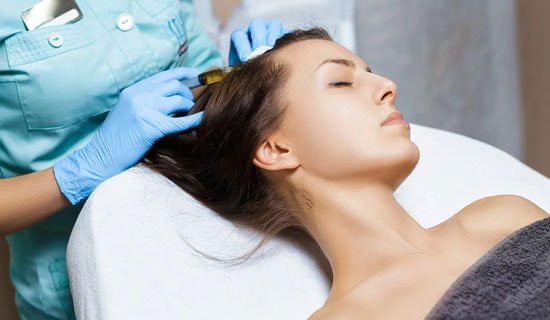
1. Mesotherapy
Mesotherapy involves micro‑injections of essential vitamins, minerals, and growth factors directly into the scalp. This nourishes weak follicles, improves blood circulation, and stimulates dormant hair roots. By delivering nutrients exactly where they are needed, mesotherapy helps strengthen thinning strands and encourages natural regrowth.
2. PRP (Platelet‑Rich Plasma) Therapy
Platelet-Rich Plasma (PRP) treatment may be considered for certain types of hair thinning. In this procedure, components obtained from the patient’s own blood are prepared and injected into selected areas of the scalp.
PRP may help support hair follicles and improve hair density in appropriate candidates. However, its suitability depends on the type and severity of hair loss.
3. Medications & Topical Solutions
Dermatologist‑recommended medications and topical applications are often prescribed to regulate hormonal imbalances and support follicle health. These treatments may include solutions that stimulate hair growth or oral therapies that stabilize androgen levels. When combined with clinical procedures, they provide a strong foundation for long‑term results.
4. Laser Therapy
Low‑level laser therapy is a non‑invasive option that stimulates follicle activity and improves scalp circulation. The gentle laser light penetrates the scalp to energize hair cells, encouraging healthier and stronger growth. It is painless, safe, and suitable for patients looking for supportive therapy alongside other treatments.
5. Lifestyle & Nutritional Guidance
Since PCOS is closely linked to lifestyle and diet, Skin Bliss Clinic emphasizes holistic care. Patients receive personalized guidance on nutrition, supplements, and stress management techniques such as yoga or meditation. This ensures that medical treatments are supported by healthy daily habits, maximizing long‑term success.
6. Combination Treatment
In some cases, the best approach may involve combining treatments. For example, a dermatologist may recommend medical management alongside topical treatment or regenerative procedures depending on the patient’s needs.
A customized treatment strategy can address multiple factors contributing to hair loss rather than focusing on a single symptom.
Can PCOS Hair Loss Be Reversed?
The possibility of hair regrowth depends on factors such as underlying cause, duration of hair loss, follicle health, and how early treatment begins. Early evaluation can be beneficial because prolonged follicle miniaturization may make complete recovery more difficult.
It is also important to have realistic expectations. Hair growth is a gradual process, and treatment may require several months before noticeable changes become apparent. Regular follow-ups allow your dermatologist to monitor progress and adjust treatment when necessary.
When Should You Seek Professional Help for Hair Loss?
You should consider professional evaluation if you experience:
- Persistent or increasing hair shedding
- Noticeable thinning around the crown
- A widening hair part
- Progressive reduction in hair density
- Sudden or severe hair loss
- Hair loss accompanied by other hormonal symptoms
- No improvement despite home remedies
Early consultation can help identify the underlying cause and prevent you from spending time and money on treatments that may not address your specific condition.
Why Choose Skin Bliss Clinic for the Best Hair Loss Treatment in Hyderabad?
Choosing the right clinic is essential for achieving safe and effective results in managing PCOS‑related hair loss. At Skin Bliss Clinic, patients benefit from a unique combination of expertise, technology, and compassionate care:
- Expert Dermatologist: Led by Dr. Deepali Marthineni, the clinic offers specialized care backed by extensive experience in treating PCOS‑related hair loss with advanced dermatological procedures.
- Advanced Technology: We use the latest, clinically proven techniques to ensure safe, effective, and long‑lasting results.
- Personalized Care: Every patient receives a customized treatment plan tailored to their hair type, scalp condition, medical history, and severity of hair loss.
- Holistic Approach: Our treatments combine medical expertise with nutritional guidance and lifestyle support for complete well‑being.
- Patient‑Centered Approach: From consultation to post‑treatment follow‑up, our team focuses on creating a supportive, comfortable, and confidence‑boosting experience.
Take the First Step Toward Healthier Hair
Hair loss due to PCOS can feel overwhelming, but with the right treatment, it is manageable and often reversible. At Skin Bliss Clinic, we provide the best hair loss treatment in Hyderabad, combining medical expertise, advanced technology, and compassionate care. Under the guidance of Dr. Deepali Marthineni, you can restore not just your hair but also your confidence.
Book a consultation today at Skin Bliss Clinic and begin your journey towards stronger, thicker, and healthier hair with confidence.
To book an appointment, call us at 09949384513.