Chemical Peels for Melasma: Do They Really Help? – Skin Bliss Clinic
Melasma is a persistent pigmentation disorder characterized by symmetrical brown or grey-brown patches commonly appearing on the cheeks, forehead, upper lip, and chin. In clinical practice, we regularly see melasma triggered and aggravated by sun exposure, hormonal fluctuations, genetics, pregnancy, and certain medications. Managing melasma requires precision, consistency, and dermatology-led protocols rather than superficial cosmetic solutions.
At Skin Bliss Clinic, under the guidance of Dr. Deepali Marthineni, the best skin specialist in Jubilee Hills, Hyderabad, we approach melasma with evidence-based treatments designed to deliver visible, progressive improvement while protecting long-term skin health.

Understanding Melasma and Its Triggers
Melasma is a chronic pigmentary disorder resulting from excess melanin production. It commonly presents as symmetrical brown or grey-brown patches on the cheeks, forehead, upper lip, and chin. While melasma is not harmful, it is cosmetically distressing and requires expert management.
Common triggers include:
- Hormonal changes (pregnancy, oral contraceptives)
- Sun exposure and UV radiation
- Genetic predisposition
- Heat and visible light exposure
- Skin inflammation or aggressive cosmetic treatments
Because melasma is multifactorial, treatment must be personalized and gradual, focusing on both pigment reduction and long-term maintenance.
What Are Chemical Peels and How Do They Work?
Chemical peels are controlled dermatological procedures that use carefully formulated acids to exfoliate damaged skin layers. By accelerating cell turnover, they remove pigment-laden cells and stimulate healthier skin regeneration. When performed correctly, chemical peels for melasma can visibly improve skin tone, texture, and brightness.
At Skin Bliss Clinic, we use medical-grade chemical peels selected based on skin type, melasma depth, and patient tolerance. These peels work by:
- Breaking down excess melanin clusters
- Enhancing penetration of depigmenting agents
- Improving overall skin clarity and radiance
Types of Chemical Peels Used for Melasma
At Skin Bliss Clinic, peel selection is based on skin type, melasma depth, and sensitivity levels. Commonly used peels include
- Glycolic Acid Peels: Derived from sugarcane, glycolic acid is an alpha hydroxy acid (AHA) known for its deep penetration and exfoliation power. It is particularly effective for epidermal melasma, helping reduce surface pigmentation and improve skin smoothness.
- Lactic Acid Peels: Lactic acid offers gentle exfoliation with added hydration benefits. It is ideal for sensitive and darker skin tones, minimizing irritation while improving pigmentation and glow.
- Salicylic Acid Peels: A beta hydroxy acid (BHA), salicylic acid is oil-soluble and penetrates pores effectively. It is especially useful for melasma associated with acne-prone skin, reducing inflammation alongside pigmentation.
- Mandelic Acid Peels: With a larger molecular size, mandelic acid penetrates slowly and evenly, making it safe for Indian skin types and patients prone to post-inflammatory hyperpigmentation.
- Combination and Custom Peels: For resistant melasma, we design custom peel protocols, combining multiple acids at optimized concentrations to target pigmentation at different depths.
Benefits of Chemical Peels for Melasma
Patients often notice significant improvements after undergoing a series of chemical peel treatments. Some of the key benefits include:
- Reduction in pigmentation: Chemical peels help to gradually lighten dark patches caused by melasma, making the skin tone appear more even and reducing visible discoloration.
- Brighter complexion: By removing the damaged outer layer of skin, chemical peels reveal fresher, healthier skin underneath, leaving the face looking more radiant and rejuvenated.
- Non-invasive procedure: Unlike surgical options, chemical peels are a safe, non-invasive treatment that requires no incisions or anesthesia, making them a convenient choice for patients.
- Customizable treatment: Dermatologists can tailor the strength and type of peel to suit each individual’s skin type and severity of melasma, ensuring effective and personalized results.
- Quick sessions: Most chemical peel procedures are completed within 20–30 minutes, allowing patients to fit treatments easily into their schedules without significant downtime.
The Chemical Peel Procedure at Skin Bliss Clinic
At Skin Bliss Clinic, chemical peel sessions are designed to be safe and comfortable. Here’s what you can expect:
Step 1: Detailed Skin Evaluation
A dermatologist assesses the type and depth of melasma, skin sensitivity, and previous treatments to determine suitability.
Step 2: Skin Preparation
Pre-peel creams may be prescribed to prepare the skin and reduce the risk of post-inflammatory pigmentation.
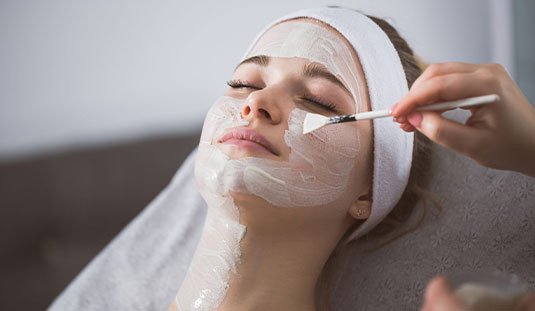
Step 3: Application of the Peel
The chemical solution is carefully applied and monitored. Patients may feel mild tingling or warmth during the process.
Step 4: Neutralization and Aftercare
The peel is neutralized, and soothing products are applied to calm the skin.
Each session typically lasts 20–30 minutes, and patients can resume normal activities shortly after.
Post-Peel Care: Protecting Your Results
After chemical peels for melasma, strict aftercare is non-negotiable:
- Daily application of broad-spectrum SPF 50+ sunscreen
- Avoidance of heat and direct sunlight
- Use of gentle, fragrance-free skincare products
- No picking or premature exfoliation
- Adequate hydration and balanced nutrition
- Temporary avoidance of active ingredients and scrubs
Sun protection remains the single most critical factor in maintaining results.
How Many Sessions Are Required?
The number of sessions depends on melasma severity and skin response. Most patients require 4 to 8 sessions, spaced 2–4 weeks apart, for visible improvement. Gradual lightening is preferred over rapid results to avoid rebound pigmentation.
What Results Can You Expect?
With consistent treatment and proper skincare, patients may notice:
- Visible reduction in pigmentation intensity
- Improved skin brightness and even tone
- Smoother skin texture
- Enhanced response to topical depigmenting agents
It is important to understand that melasma requires ongoing management, and results vary depending on triggers, lifestyle, and sun exposure.
Are Chemical Peels Safe for Melasma?
When performed by trained dermatologists using appropriate formulations, chemical peels for melasma are safe, even for Indian skin types. At Skin Bliss Clinic, peels are selected carefully to minimize irritation and prevent rebound pigmentation.
Improper use or overuse of peels can worsen melasma, which is why professional supervision is essential.
Who Is an Ideal Candidate for Chemical Peels?
Chemical peels are suitable for individuals who:
- Have mild to moderate melasma
- Experience uneven skin tone and dullness
- Want a non-invasive, dermatologist-guided solution
- Can commit to post-treatment care and sun protection
Who Should Avoid Chemical Peels
- Pregnant women (certain peels)
- Active skin infections or eczema
- Highly inflamed or compromised skin
During your consultation at Skin Bliss Clinic, our dermatologists will determine whether a chemical peel is suitable for your skin type and concerns.
Limitations of Chemical Peels for Melasma
While effective, chemical peels have limitations:
- They do not eliminate the root hormonal cause.
- Deep dermal melasma responds slowly.
- Sun exposure can trigger recurrence.
At Skin Bliss Clinic, we emphasize realistic expectations and combine peels with other therapies for best results.
Why Choose Skin Bliss Clinic for Melasma Treatment?
At Skin Bliss Clinic, we combine medical expertise, advanced protocols, and personalized care to deliver reliable results for pigmentation concerns.
- Experienced Dermatologist: Skin Bliss Clinic is led by Dr. Deepali Marthineni, bringing extensive clinical expertise and a deep understanding of complex pigmentation conditions like melasma.
- Customized Peel Protocols: Each chemical peel protocol is individually tailored to suit Indian skin types, melasma depth, and skin sensitivity.
- Evidence-Based Treatments: We follow clinically proven, dermatologist-approved protocols that prioritize safety, efficacy, and sustainable improvement in skin tone.
- Comprehensive Melasma Management: Our approach integrates chemical peels, targeted topical therapies, and long-term maintenance plans to control melasma and reduce recurrence.
- Patient-Centric Approach: We focus on long-term skin health and resilience, offering personalized care, education, and follow-up to achieve lasting results with confidence.
Frequently Asked Questions
1. How many sessions are needed?
Usually 4–6 sessions spaced a few weeks apart, depending on severity.
2. Is the procedure painful?
No. Patients may feel mild tingling, but discomfort is minimal.
3. Can melasma come back after peels?
Yes, melasma can recur. Maintenance treatments and sun protection are essential.
4. Are chemical peels safe for all skin types?
Most skin types respond well, but dermatologists customize peels to avoid irritation.
Conclusion
Melasma can be challenging to manage, but modern dermatology offers effective solutions. Chemical peels for melasma at Skin Bliss Clinic provide a safe, proven way to reduce pigmentation and restore confidence. Chemical peels significantly improve skin tone and texture when combined with proper skincare and sun protection.
If you’re struggling with melasma, consult the experts at Skin Bliss Clinic to explore personalized treatment options and take the first step toward clearer, healthier skin.
To book an appointment, call us at 09949384513.