


best-skin-allergy-and-skin-infection-treatment-clinic-in-hyderabad
previous arrowprevious arrow
next arrownext arrow

Clinical Dermatology (Skin Infection) Treatment in Jubilee Hills Hyderabad

Skin infections are conditions that occur when harmful microorganisms, such as bacteria, fungi, viruses, or parasites, invade and multiply within the skin. Skin infections can be caused by a variety of factors, including breaks in the skin’s barrier (such as cuts, wounds, or insect bites), poor hygiene, weakened immune system, or close contact with an infected person or contaminated surfaces.

get-best-clinical-dermatology-in-hyderabad

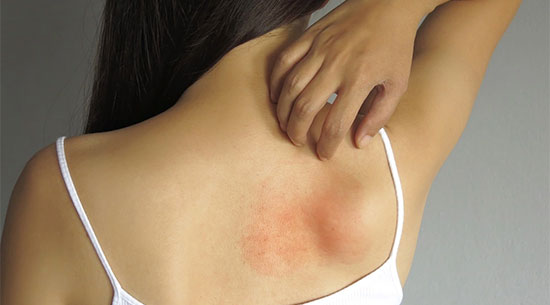
Common signs and symptoms of skin infections include redness, swelling, warmth, pain, itching, rash, blisters, pus-filled lesions, or crusty patches on the skin. The specific symptoms and severity depend on the type of infection and the microorganism involved.

At Skinbliss Clinic in Jubilee Hills, our Treatment for skin infections typically involves proper hygiene practices, topical or oral medications (such as antibiotics, antifungals, antivirals, or antiparasitics), and sometimes supportive measures like keeping the affected area clean and dry. In some cases, more severe infections may require medical intervention, such as drainage of abscesses or intravenous antibiotics.

Types of Skin Infection

  • These occur when bacteria enter the skin through cuts, wounds, or hair follicles. Examples include:

    • Impetigo: A contagious infection that causes red sores, typically on the face, hands, and feet.
    • Cellulitis: A bacterial infection that causes redness, swelling, and warmth in the affected area.
    • Folliculitis: Infection of the hair follicles, leading to red, swollen bumps or pustules.

Fungi can cause infections on the skin, nails, and hair. Common fungal infections include:

  • Athlete’s foot: A fungal infection that affects the feet, causing itching, redness, and flaking of the skin.
  • Ringworm: A highly contagious fungal infection that forms circular, scaly patches on the skin.
  • Candidiasis: A yeast infection caused by Candida fungus, commonly affecting areas like the mouth, genitals, and skin folds.

Certain viruses can cause skin infections with distinct characteristics, such as:

  • Herpes simplex: Causes cold sores (oral herpes) or genital sores (genital herpes) with painful blisters.
  • Molluscum contagiosum: A viral infection characterized by small, raised bumps on the skin.
  • Varicella-zoster: Causes chickenpox during the initial infection and later reactivates as shingles, resulting in painful rashes.

Parasites like lice, scabies mites, or ticks can infest the skin and cause infections. Examples include:

  • Scabies: A contagious skin infestation caused by tiny mites that burrow into the skin, leading to intense itching and a rash.
  • Pediculosis: Infestation of the scalp, body, or pubic hair by lice, resulting in itching and visible lice or nits.

Symptoms of a Skin Infection

“Some of the common skin infections that affect you”

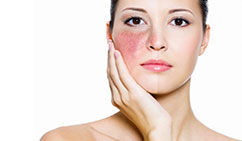
Redness

The affected area of the skin may appear reddened or flushed. When a skin infection occurs, the affected area may become visibly red. The redness can vary in intensity.
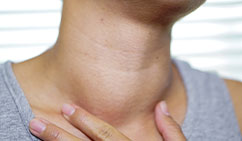
Swelling

The infected area can become swollen and may feel tender to the touch. When an infection occurs, the body's immune response leads to an accumulation of fluid and increased blood flow.
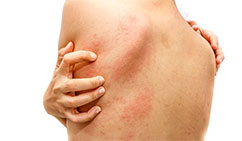
Warmth

The skin around the infection site may feel warm or hot. The warmth in the infected area is a result of the inflammatory response,It is important to note .

Pain or tenderness

Skin infections can cause discomfort or pain, ranging from mild to severe.When an infection occurs, it can irritate the nerve endings in the skin, leading to pain or discomfort in the affected area.

Itching

Some infections, such as fungal or parasitic infections, may cause itching or a persistent urge to scratch,It is important to avoid excessive scratching as it can further damage the skin,
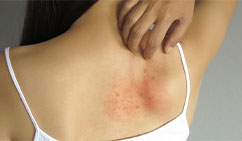
Rash

A rash can appear as small bumps, blisters, or raised patches on the skin. The appearance and distribution of the rash may vary depending on the type of infection.
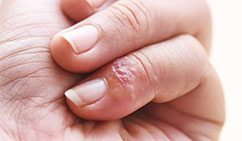
Pus/fluid-filled lesions

In some cases, skin infections can lead to the formation of pus-filled bumps or blisters that may break open and release fluid. Fluid-filled lesions can vary in size, shape, and appearance.
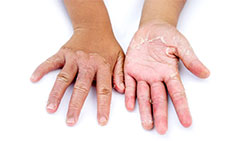
Crusting or scaling

The infected area may develop a crusty or scaly texture. When the skin is infected, it can undergo changes that result in the formation of crusts or scales.

Treatment Option For Skin Infection

“The following approaches are commonly used”

Proper Hygiene

Practicing good hygiene is essential for managing skin infections. This includes keeping the affected area clean and dry, regularly washing the area with mild soap and water, and avoiding scratching or picking at the infected skin.

Topical Medications

Many skin infections can be treated with topical medications, such as creams, ointments, or gels. These medications may contain antibiotics, antifungals, antivirals, or other active ingredients depending on the type of infection.

Oral Medications

In some cases, oral medications may be necessary, especially for more severe or widespread infections. Oral antibiotics, antifungals, or antivirals may be prescribed to address the infection from within the body infection.

Drainage

For certain types of skin infections, such as abscesses or boils filled with pus, drainage may be required. This is typically done by a healthcare professional who will make a small incision to release the pus and promote healing.

Systemic Treatment

In cases where the infection is severe or has spread beyond the skin, systemic treatments such as intravenous antibiotics or antivirals may be administered in a hospital setting, These treatments are typically used when the infection is severe.

Supportive Measures

Along with specific medications, supportive measures may be recommended to alleviate symptoms and aid in recovery. These can include keeping the affected area elevated, applying warm compresses, or using over-the-counter pain relievers or antihistamines.

Why Choose Us

At Skinbliss Clinic in Jubilee Hills, Hyderabad our Expert Dermatologists Dr. Deepali Marthineni who is specialize in diagnosing and treating skin, hair conditions. They have the expertise and knowledge to accurately diagnose and treat a wide range of conditions. Our Skinbliss Clinic in jubilee hills, often offer advanced treatments such as laser therapy, chemical peels, and injectable treatments . These treatments can be more effective and provide better results than over-the-counter treatments. 

Our expert dermatologist Dr. Deepali Marthineni will develop a customized treatment plan tailored to your specific skin and hair concerns. This will ensure that you receive the most effective treatment for your condition. At Skinbliss Clinic in Jubilee Hills Hyderabad, are equipped with medical-grade equipment and follow strict safety protocols, ensuring that all treatments are safe and performed in a sterile environment.

Call us to book an Appointment for Clinical Dermatology Treatment at Skinbliss Clinic in jubilee hills Hyderabad, our mobile no. Is  +91- 9949384513, +91- 9359877777

FAQs for Clinical Dermatologist Treatment

Diagnosis is typically based on a physical examination, medical history, and evaluation of symptoms. In some cases, laboratory tests, such as skin swabs, cultures, or biopsies, may be performed to identify the specific causative organism.

Treatment depends on the type and severity of the infection. It may involve topical medications (creams, ointments), oral medications (antibiotics, antifungals, antivirals), drainage of abscesses, and supportive measures. In severe cases, systemic treatments like intravenous antibiotics or antivirals may be necessary.

Yes, certain preventive measures can reduce the risk of skin infections. These include practicing good hygiene, keeping the skin clean and dry, avoiding sharing personal items, wearing protective clothing in high-risk environments, and promptly treating any cuts, scrapes, or wounds

Some skin infections can be contagious, especially those caused by bacteria, fungi, or viruses. It is important to take precautions to prevent the spread of infection, such as avoiding close contact, practicing good hand hygiene, and using separate personal items.

Yes, if left untreated or improperly managed, skin infections can lead to complications such as the spread of infection to deeper tissues, scarring, cellulitis, bloodstream infections, or secondary infections.

Book an Appointment with us and boost your self confidence by Advance Skin &  Hair Treatment.