Polyendocrine Metabolic Ovarian Syndrome (PMOS) is one of the most common hormonal disorders affecting women worldwide. While most people associate PMOS with irregular periods and fertility challenges, its effects on the skin can be equally significant and emotionally distressing. From persistent acne and excessive facial hair to pigmentation and hair thinning, PMOS can trigger a range of skin concerns that impact self-confidence and quality of life. Understanding the connection between hormones and skin health is the first step toward managing symptoms effectively.
If you have been struggling with unexplained breakouts, dark patches on the skin, or increased facial hair growth, PMOS may be an underlying factor. Fortunately, modern dermatology offers advanced treatment options that can help manage these concerns while improving overall skin health. In this comprehensive guide, we’ll explore how PMOS affects the skin, common symptoms to watch for, and the most effective treatments available to restore healthy, balanced skin.
What Is PMOS and How Does It Affect the Skin?
Polyendocrine Metabolic Ovarian Syndrome (PMOS) is a hormonal condition that affects the ovaries and reproductive system. Women with PMOS often experience an imbalance in reproductive hormones, leading to elevated levels of androgens, commonly referred to as male hormones. This hormonal imbalance can affect ovulation, menstrual cycles, weight management, metabolism, hair growth, and skin health. PMOS affects millions of women globally and can develop during adolescence or early adulthood.
Because the skin is highly sensitive to hormonal fluctuations, the elevated androgen levels associated with PMOS stimulate oil glands and hair follicles, resulting in noticeable skin changes.
| PMOS Skin Concern | Biological Cause and Common Areas Affected |
| Acne and Breakouts |
Increased androgen levels stimulate sebaceous glands, causing excess oil production. This oil combines with dead skin cells, bacteria, and inflammation to clog pores. It typically appears on the jawline, chin, lower cheeks, and neck. Unlike teenage acne, hormonal acne tends to be deeper, more painful, and resistant to conventional treatments. |
| Hyperpigmentation |
Insulin resistance, a common feature of PMOS, can lead to increased pigmentation. A condition known as Acanthosis Nigricans often develops, causing dark, velvety skin patches in body folds such as the neck, underarms, groin area, elbows, and knees. |
| Excess Facial Hair (Hirsutism) |
Elevated androgen levels stimulate hair follicles in areas typically associated with male-pattern hair growth, such as the chin, upper lip, sideburns, chest, and abdomen. |
| Hair Loss and Thinning |
Androgen hormones can shrink scalp hair follicles over time, leading to female pattern hair loss characterized by thinning hair, widening part lines, and reduced hair volume. |
| Oily Skin and Enlarged Pores |
Excessive oil production leads to shiny skin, frequent breakouts, enlarged pores, and makeup difficulties. Managing this requires both dermatological treatment and hormonal regulation. |
Diagnosing PMOS involves a comprehensive evaluation rather than a single test. Healthcare providers may assess menstrual history, hormone levels, ultrasound findings, and clinical symptoms. Because skin symptoms often appear before other PMOS signs, dermatologists may play an important role in early detection.
Dermatological Treatments for PMOS-Related Skin Concerns
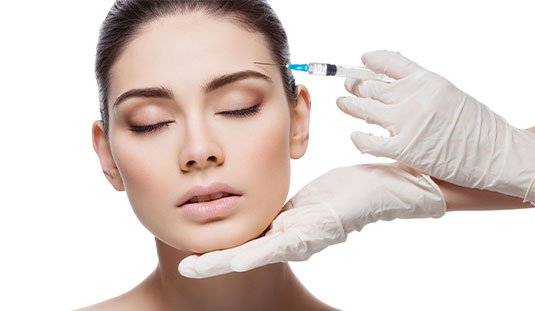
While treating the underlying hormonal imbalance is essential, dermatological treatments can significantly improve skin symptoms. Professional acne management may include prescription medications like topical retinoids, anti-inflammatory treatments, and prescription acne medications, alongside chemical peels to reduce acne, improve skin texture, and minimize post-acne pigmentation, or advanced laser treatments to reduce acne inflammation and improve skin clarity.
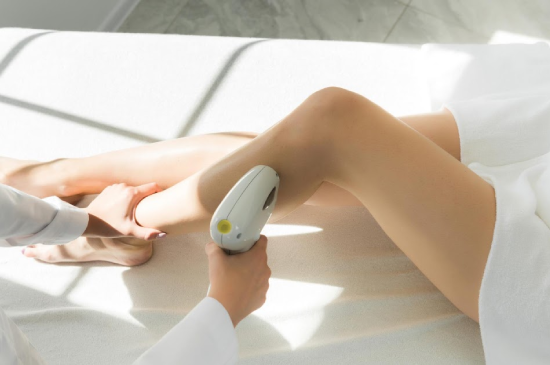
Pigmentation caused by PMOS often requires targeted treatments like chemical peels to exfoliate pigmented skin and improve tone, laser therapy to target excess pigmentation while promoting skin renewal, and medical-grade skincare including brightening serums and dermatologist-prescribed products to support long-term improvement. For unwanted facial and body hair, laser hair removal is one of the most effective long-term treatments, providing long-term hair reduction, reduced ingrown hairs, improved skin texture, and greater confidence. Clinics such as Skin Bliss provide customized laser treatment protocols designed for different skin types and hormonal conditions. For scalp hair thinning, dermatologists may recommend Platelet-Rich Plasma (PRP) therapy to stimulate dormant hair follicles and encourage growth, growth factor treatments to support healthier hair follicles and improve hair density, and nutritional support to address vitamin and mineral deficiencies that enhance treatment outcomes.
Lifestyle Changes and the Importance of Early Intervention
Medical treatments work best when combined with healthy lifestyle habits. Patients are encouraged to follow specific lifestyle strategies:
-
Maintain a Balanced Diet and Exercise Regularly: Focus on lean proteins, vegetables, whole grains, and healthy fats while participating in regular physical activity to help improve insulin sensitivity and hormonal balance.
-
Manage Stress and Prioritize Sleep: Reduce chronic stress, which can worsen hormonal imbalances and trigger acne flare-ups, and ensure quality sleep to support hormone regulation and skin repair.
Many women delay seeking treatment because they assume skin symptoms are temporary. However, early intervention can help prevent acne scarring, reduce pigmentation progression, slow hair loss, improve self-confidence, and address underlying hormonal concerns. Professional dermatological guidance can significantly improve outcomes, and clinics like Skin Bliss emphasize comprehensive care that addresses both visible skin concerns and their underlying causes.
PMOS is more than a reproductive condition—it can have a significant impact on skin health and self-confidence. From acne and pigmentation to excess hair growth and scalp hair loss, the hormonal changes associated with PMOS can affect multiple aspects of appearance and well-being. The good news is that modern dermatology offers effective solutions for managing these symptoms. With the right diagnosis, personalized treatment plan, and ongoing care, women with PMOS can achieve healthier skin and improved confidence. Advanced treatments such as chemical peels, laser therapy, PRP, and customized skincare protocols can address visible symptoms while supporting long-term skin health. Clinics like Skin Bliss focus on comprehensive dermatological care tailored to the unique challenges faced by women with hormonal skin concerns.
If persistent acne, pigmentation, unwanted facial hair, or hair thinning have been affecting your confidence, you don’t have to navigate the journey alone. Expert dermatological care can help identify the root cause and create a treatment plan tailored specifically to your needs. Book a consultation today and start your journey toward clearer skin, healthier hair, and renewed confidence. Every step you take toward understanding and managing PMOS is a step toward feeling your best—inside and out.
Book a personalized consultation today and take the first step towards improving your skin health. With expert guidance and customized care, your journey to timeless confidence starts now. To book an appointment, call us at 09949384513.
FAQs
Can PMOS cause severe acne?
Yes. Hormonal imbalances associated with PMOS often lead to persistent and inflammatory acne.
Does PMOS pigmentation go away?
Pigmentation can improve significantly with proper treatment and management of underlying hormonal factors.
Is laser hair removal effective for PMOS?
Yes. Laser hair removal is one of the most effective long-term solutions for managing excess hair growth caused by PMOS.
Can PMOS cause hair loss?
Yes. Elevated androgen levels may contribute to female pattern hair thinning.
Can skincare products alone treat PMOS acne?
While skincare products help, addressing hormonal imbalances is usually necessary for long-term improvement.