How to Reduce Melanin in Skin: Effective Tips & Treatments – Skin Bliss Clinic
Healthy, radiant skin is often associated with an even skin tone and natural glow. However, excessive melanin production can lead to pigmentation issues such as dark spots, uneven skin tone, tanning, and melasma. While melanin plays a vital role in protecting the skin from harmful UV rays, overproduction can affect appearance and confidence. Understanding how to reduce melanin in skin safely and effectively is the first step toward achieving brighter, clearer skin.
At Skin Bliss Clinic, we focus on scientifically backed skincare solutions, combining expert dermatological care with advanced treatments to help restore your skin’s natural balance.
What Is Melanin in the Skin and Why Does It Matter?
Melanin is a natural pigment produced by specialized skin cells called melanocytes. It is responsible for determining skin color, hair color, and eye color. Melanin also plays a crucial protective role by absorbing harmful ultraviolet (UV) radiation from the sun.
However, when melanin production becomes uneven or excessive, it leads to visible skin concerns such as hyperpigmentation, dark spots, melasma, tanning, and uneven skin tone. Managing melanin balance is essential for maintaining clear and youthful-looking skin.
Why Does Melanin Increase in the Skin?
Several internal and external factors stimulate excess melanin production. The most common causes include:
- Excess sun exposure: UV rays stimulate melanocytes to produce more melanin, leading to tanning and sunspots.
- Hormonal changes: Hormonal fluctuations during pregnancy, PCOS, or medication can trigger increased melanin production.
- Post-inflammatory hyperpigmentation: Skin inflammation from acne, wounds, or procedures leaves excess melanin deposits as it heals.
- Genetic predisposition: Some individuals naturally produce more melanin due to inherited skin characteristics.
- Certain medications and medical conditions: Specific drugs and health issues can stimulate melanocytes and cause uneven pigmentation.
- Chronic stress and lack of sleep: Disrupt hormonal balance and skin repair mechanisms, indirectly increasing melanin production and uneven pigmentation.
- Improper skincare and harsh products: Damage the skin barrier, trigger inflammation, and stimulate excess melanin formation.
Identifying the cause is essential when planning melanin reduction treatments, as different triggers require different approaches.
What Happens with the Increase of Melanin?
Excess melanin accumulation leads to visible pigmentation concerns, including:
- Dark spots and sun spots
- Melasma (patchy pigmentation on the face)
- Post-inflammatory hyperpigmentation
- Uneven and dull skin tone
- Persistent tanning
If left untreated, these concerns can deepen over time, making the skin appear aged, tired, and uneven. Early intervention helps prevent long-term skin damage.
Is It Possible to Reduce Melanin Deposits?
Yes, melanin deposits can be reduced and regulated with the right combination of medical treatments, professional skincare, and lifestyle modifications. At Skin Bliss, we focus on treatments that inhibit excess melanin production, promote cell turnover, and restore skin clarity without damaging the skin barrier.
Effective Home Remedies for Mild Pigmentation
For early or mild pigmentation concerns, certain natural ingredients can support skin health when used consistently:
- Aloe vera: Soothes inflammation and helps regulate melanin activity
- Licorice extract: Contains glabridin, known for its skin-brightening properties
- Green tea extracts: Provide antioxidant protection against pigmentation triggers
- Turmeric: Supports skin healing and improves overall brightness
These remedies work best as complementary care and should not replace professional dermatological treatments for moderate to severe pigmentation.
How to Reduce Melanin in the Skin: Effective Treatments by Skin Bliss Clinic
At Skin Bliss, we offer customized, evidence-based treatments designed to target pigmentation at its source. Our dermatologist-led protocols ensure safety, effectiveness, and long-lasting results.
- Advanced Chemical Peels
Medical-grade chemical peels exfoliate the upper layers of the skin, removing pigmented cells and stimulating new cell regeneration. These peels help reduce dark spots, improve skin texture, and brighten complexion.
- Laser Pigmentation Reduction
Laser treatments target excess melanin precisely without harming surrounding skin. This technology breaks down pigment clusters, allowing the body to eliminate them naturally, resulting in clearer and more even-toned skin.
- Skin Brightening Facials
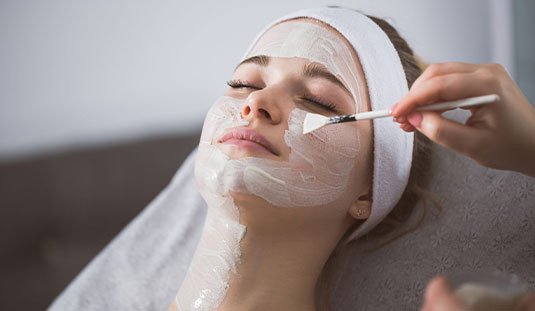
Professional skin-brightening facials use active ingredients that suppress melanin production while deeply nourishing the skin. These treatments enhance glow and improve overall skin health.
- Prescription-Based Topical Therapies
Dermatologist-recommended creams containing tyrosinase inhibitors, antioxidants, and retinoids help regulate melanin synthesis and gradually fade pigmentation.
- Glutathione-Based Therapies
Glutathione is a powerful antioxidant that helps reduce oxidative stress and inhibit melanin formation, promoting brighter and healthier skin from within.
- Microneedling with Brightening Serums
Microneedling enhances the absorption of pigmentation-correcting serums, stimulates collagen production, and accelerates skin renewal for long-term pigmentation control.
Each treatment plan at Skin Bliss is tailored based on skin type, pigmentation severity, and lifestyle factors to deliver optimal results.
Essential Preventive Measures and Lifestyle Adjustments to Reduce Melanin in the Skin
Professional treatments work best when supported by consistent preventive care and healthy habits.
- Daily Sun Protection: Applying a broad-spectrum sunscreen with SPF 30 or higher is essential to prevent UV-induced melanin production. Reapplication every 2–3 hours is recommended.
- Balanced Skincare Routine: Using gentle cleansers, antioxidant-rich serums, and dermatologist-approved moisturizers helps maintain skin barrier health and prevent pigmentation triggers.
- Healthy Nutrition: A diet rich in vitamin C, vitamin E, zinc, and antioxidants supports skin repair and reduces oxidative stress that stimulates melanin production.
- Adequate Hydration: Drinking sufficient water helps flush toxins and supports healthy skin cell turnover.
- Stress Management: Chronic stress can worsen pigmentation through hormonal imbalance. Mindfulness, exercise, and quality sleep are vital for skin health.
- Avoid Smoking and Excessive Alcohol: These habits accelerate skin aging and worsen pigmentation issues.
Post-Treatment Care Instructions to Maintain Results
To ensure long-lasting pigmentation control, post-treatment care is critical:
- Avoid direct sun exposure for at least two weeks after procedures.
- Use only dermatologist-recommended skincare products.
- Avoid harsh exfoliants and active ingredients unless advised.
- Keep skin well-moisturized to support healing.
- Follow scheduled maintenance treatments as recommended.
Adhering to post-care instructions significantly enhances treatment effectiveness and prevents recurrence.
Why Choose Skin Bliss Clinic in Hyderabad?
When it comes to understanding how to reduce melanin in skin, expert guidance makes all the difference. Skin Bliss is known for its patient-centric approach and advanced dermatological care.
- Experienced dermatologist: Led by Deepali Marthineni, a skilled dermatologist with extensive experience in treating melanin-related pigmentation concerns.
- Personalized treatment plans: Each patient receives a customized pigmentation treatment plan based on their skin type, condition, and concerns.
- Advanced FDA-approved technology: The clinic uses state-of-the-art, FDA-approved dermatological technologies to safely and effectively reduce excess melanin.
- Safe Environment: Our clinic ensures a hygienic, patient-friendly atmosphere designed for comfort and reassurance.
- Proven Results: Thousands of satisfied patients have achieved glowing, even-toned skin with our advanced treatments.
Frequently Asked Questions
1. Can melanin be completely removed?
No, melanin is essential for skin protection. Treatments aim to reduce excess production.
2. Are melanin reduction treatments safe?
Yes, when performed by qualified dermatologists at clinics like Skin Bliss, treatments are safe and effective.
3. Which treatment is best for me?
It depends on your skin type, pigmentation severity, and lifestyle. A dermatologist consultation is recommended.
4. Is sunscreen necessary after treatment?
Absolutely. Sunscreen prevents recurrence of pigmentation.
Final Thoughts
Excess melanin can cause uneven skin tone and pigmentation, but with the right approach, it can be managed effectively. Natural remedies, lifestyle changes, and advanced dermatological treatments all play a role in achieving radiant skin.
For those seeking professional care, Skin Bliss Clinic offers comprehensive solutions for reducing melanin in skin. With expert dermatologists, advanced technology, and personalized treatment plans, Skin Bliss ensures that every patient walks away with healthier, brighter, and more confident skin.
Take the first step toward radiant skin with expert dermatological care at Skin Bliss Clinic. To book an appointment, call us at 09949384513.